





Spain's Digital Nomad Visa Just Got Harder: New 2026 Rules Explained
Spain's digital nomad visa now requires €2,849/month income for single applicants in 2026, plus new self-employment registration rules and stricter documentation.
Essential emergency action plan for nomads: translation apps, key medical phrases, and document prep to handle healthcare abroad when you don't speak the language.
Picture this: you're in a foreign country and suddenly need urgent medical care, but you can't communicate with the doctors. Language barriers in medical emergencies can be life-threatening, but with the right preparation, you can navigate these situations safely and effectively.
This isn't about becoming fluent in every local language. It's about creating a practical emergency system that works when seconds count.
Don't wait until you're in pain to figure out which apps work best. Download and test these before you travel.
Google Translate offers offline translation in over 100 languages. Download the languages you'll need before your trip. The camera feature can translate signs and documents in real-time, which is invaluable in hospitals.
Microsoft Translator provides real-time conversation translation and works offline. It's particularly good for back-and-forth medical conversations.
SayHi specializes in voice translation and handles medical terminology well. Test it with complex phrases before you need it.
Medical Spanish (or similar language-specific medical apps) offer specialized healthcare vocabulary that general translation apps might miss.
Pro tip: Always download offline language packs. Hospital wifi might be unreliable, and you don't want to depend on data when you're having a medical emergency.
Learn these critical phrases in the local language and keep them easily accessible on your phone. Focus on the absolute essentials first.
Life-threatening situations: "Help me," "Call an ambulance," "Emergency," "I need a doctor," "I'm having chest pain," "I can't breathe," "I'm allergic to [medication]."
Pain communication: "It hurts here," "Sharp pain," "Constant pain," "The pain started [time]," "Pain level 1-10."
Medical history basics: "I have diabetes," "I take medication for [condition]," "I'm pregnant," "I have high blood pressure," "I'm allergic to penicillin."
Communication needs: "Do you speak English?" "I need an interpreter," "Please write it down," "I don't understand," "Can you call my embassy?"
Write these phrases phonetically in your notes app and practice pronunciation using translation apps' audio features.
Create a digital emergency medical folder that's accessible even when you're disoriented or unconscious.
Medical summary: Write a one-page medical history including current medications, allergies, chronic conditions, emergency contacts, and insurance information. Professional medical translation services like Stepes can help translate these documents accurately before you travel.
Medication list: Include generic names (not just brand names), dosages, and what they're for. Take photos of all medication bottles.
Emergency contacts: List your doctor at home, family contacts, travel insurance company, and embassy/consulate information.
Insurance cards: Photograph both sides of all relevant cards. Include travel insurance policy numbers and claim procedures.
Store everything in your phone's notes, cloud storage, and email a copy to yourself. Consider wearing a medical alert bracelet with key information.
Understanding how to access care in your destination country can save crucial time during emergencies.
Research before arrival: Identify the nearest hospitals, clinics, and pharmacies to where you'll be staying. Many countries have different emergency numbers than 911.
Find language-friendly facilities: Language-friendly clinics often have multilingual staff or established interpreter services. Research these options in advance.
Know your rights: In many countries, hospitals are required to provide interpreter services for emergency situations. Don't be afraid to request this.
Understand the system: Some countries require referrals for specialists, others have different payment structures. Know the basics of how healthcare works where you're traveling.
Embassy resources: Your country's embassy or consulate often maintains lists of English-speaking doctors and can provide assistance in medical emergencies.
Create a step-by-step plan you can follow even when stressed or in pain.
Step 1: Assess the situation. Is this life-threatening? If yes, call emergency services immediately using your pre-researched local emergency number.
Step 2: Communicate the emergency. Use your prepared phrases or translation app to explain "emergency" and your main symptom.
Step 3: Show your medical documents. Pull up your translated medical summary and insurance information immediately.
Step 4: Request an interpreter. Say "I need an interpreter" in the local language and show this written request.
Step 5: Document everything. If possible, have someone take notes or photos of treatment plans, prescriptions, and discharge instructions.
Step 6: Follow up. Contact your travel insurance and consider calling your doctor at home for guidance on ongoing treatment.
Different types of medical emergencies require slightly different approaches when language is a barrier.
Severe allergic reactions: Show your allergy information immediately and use gestures to indicate swelling or breathing difficulty. The word "allergy" translates relatively consistently across languages.
Injury with bleeding: Point to the injury and use your phone to translate "I fell" or "accident." Take photos of the wound if it helps explain what happened.
Chest pain or heart symptoms: Spanish medical terms for heart attack include "ataque al corazón" - learn the equivalent for your destination. Time is critical, so gesture to your chest and use "emergency" immediately.
Medication needs: Show photos of your medication bottles. Pharmacists often understand generic drug names even with language barriers.
Mental health crises: These are particularly challenging with language barriers. Prepare phrases like "I need psychiatric help" and "I'm having panic attacks" in advance.
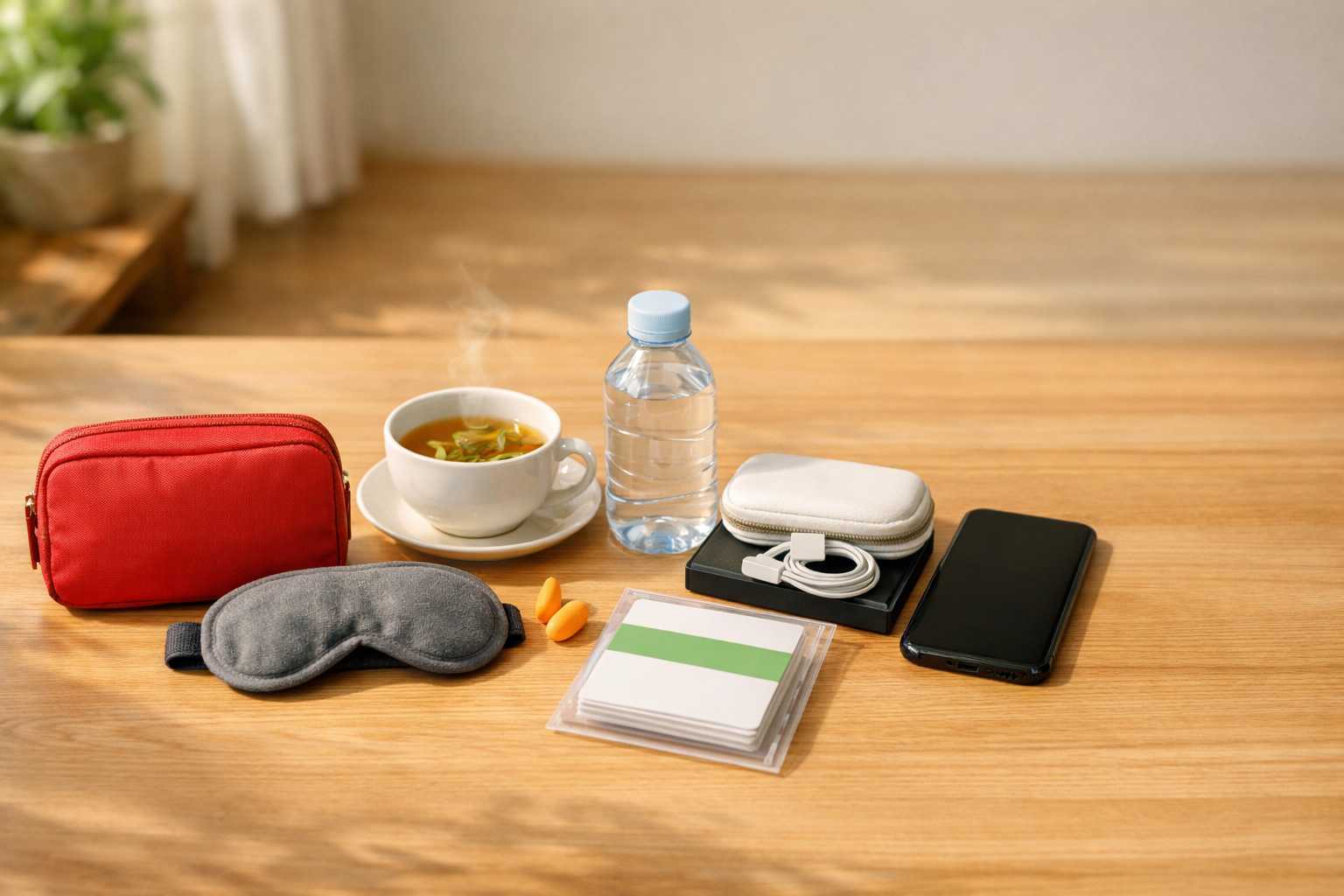
Medical emergencies abroad don't have to become disasters because of language barriers. The key is preparation: download the right apps, learn essential phrases, translate your medical documents, and create an action plan before you need it.
Start building your language barrier survival kit today. Your future self will thank you for taking these precautions seriously. Remember, professional medical interpreters are trained to handle these exact situations - don't hesitate to request their services.
Most importantly, don't let fear of language barriers prevent you from seeking medical care when you need it. Healthcare providers are trained to work with patients who don't speak the local language, and your health is always the priority.
Spain's digital nomad visa now requires €2,849/month income for single applicants in 2026, plus new self-employment registration rules and stricter documentation.

Master nomad logistics with strategic belongings rotation, smart shipping decisions, and storage alternatives. Skip the fees, travel light.

Sri Lanka launched its digital nomad visa in February 2026 with a low $2,000/month requirement. Here's how to apply and what it costs.

Learn proven frameworks to set client boundaries with async communication while maintaining trust and preventing remote work burnout.

Greece, UAE, Spain and Indonesia made digital nomad visas harder to get in 2026. Here's what changed and why Sri Lanka's new visa matters.

Essential contract clauses every digital nomad needs to protect themselves legally when working across multiple jurisdictions without expensive lawyers.
Get the best nomad resources, tips, and exclusive deals delivered straight to your inbox. No spam, just valuable content for your nomad journey.
Join fellow nomads. Unsubscribe anytime.