







Spain's Digital Nomad Visa Just Got Harder: New 2026 Rules Explained
Spain's digital nomad visa now requires €2,849/month income for single applicants in 2026, plus new self-employment registration rules and stricter documentation.

Brazil and Philippines offer new digital nomad visas in 2026 with affordable income requirements for long-term stays in Latin America and Southeast Asia.
Two major destinations just made it easier for digital nomads to stay long-term. Brazil and the Philippines have rolled out new visa programs specifically for remote workers, offering some of the most accessible requirements we've seen this year.
These launches reflect a growing trend where countries compete for nomad dollars while keeping barriers low. Both visas target the sweet spot between affordability and legitimacy that many nomads have been waiting for.
Brazil's new visa (officially called VITEM XIV) launched in January 2026 and targets remote workers employed by foreign companies or freelancers with overseas clients. The program allows an initial 1-year stay that can be extended under specific conditions.
Income requirement: You need to show at least $1,500 per month from non-Brazilian sources, or maintain $18,000 in savings. This is one of the lowest thresholds we've seen for Latin America.
Who qualifies: Remote employees of foreign companies, freelancers with international clients, or digital entrepreneurs earning from outside Brazil. You cannot work for Brazilian companies or earn local income on this visa.
Key documents needed: Valid passport with 6+ months remaining, proof of remote work arrangement, health insurance covering Brazil (minimum $30,000 coverage), clean criminal background check, and proof of your income or savings.
Why this matters: Brazil's cost of living has been falling in nomad-friendly cities like Florianópolis and São Paulo. The low income bar means this visa is accessible to freelancers and remote employees who might not qualify for higher-threshold programs elsewhere.
Tax considerations: Watch the 183-day rule common in these programs. Staying longer could trigger Brazilian tax residency, though short-term visitors typically avoid local taxes.
The Philippines recently announced their digital nomad visa, allowing foreign nationals to stay up to 1 year with the option to renew for another year. The program specifically targets people working with non-Philippine clients or employers.
Income requirement: The government requires proof of "sufficient income" generated outside the Philippines, though the exact dollar amount is still being finalized.
Who qualifies: Remote workers, freelancers, and digital entrepreneurs whose income comes from outside the Philippines. Local employment is prohibited under this visa.
Key documents needed: Valid passport, proof of remote work arrangement, clean criminal record from your home country, and valid health insurance coverage.
Why this matters: The Philippines has been building serious nomad infrastructure in places like Cebu, Siargao, and even Manila. Coliving spaces and coworking hubs have exploded in recent years, making this visa perfectly timed.
Strategic advantage: This could become the easiest entry point to Southeast Asia before other countries tighten their requirements. The low barriers and English-speaking environment make it ideal for first-time nomads to the region.
Both Brazil and Philippines are positioning themselves as the accessible alternative to higher-barrier programs launching elsewhere.
Japan's digital nomad visa requires $66,400-$67,556 annual income and only allows 6 months (non-renewable). It's targeting high-earning tech workers willing to pay premium prices for Tokyo's safety and infrastructure.
Thailand's upcoming DTV visa needs around $13,600 in savings but emphasizes financial reserves over monthly income. This could disrupt nomad flows to Bangkok and Chiang Mai once it goes live.
What makes Brazil and Philippines different: Both focus on monthly income proof rather than large savings requirements. This structure works better for freelancers and remote employees who earn consistently but don't have massive bank balances.
Research your tax situation: Both countries have tax residency rules that kick in after certain time periods. Consult a tax professional familiar with nomad situations before committing to long stays.
Start gathering documents early: Criminal background checks and apostilled documents take weeks to obtain. Begin this process before you need to apply.
Monitor exchange rates: Your qualifying income might fluctuate with currency changes. Build in a buffer above the minimum requirements.
Check health insurance coverage: Make sure your current policy covers both countries or research nomad-specific insurance that includes them.
Connect with local communities: Join Facebook groups and coworking spaces in your target cities before arriving. This helps with practical setup and networking.
Brazil and Philippines have created some of the most nomad-friendly visa requirements we've seen this year. Brazil's $1,500 monthly threshold opens South America to mid-level remote workers, while Philippines is building the infrastructure to support its new program.
Both represent a shift toward accessible long-term options in emerging nomad markets. If you've been priced out of European programs or want to explore new regions, these visas offer legitimate pathways to stay legally while keeping costs reasonable.
Start your document collection now – these programs will likely get more competitive as word spreads through the nomad community.
Spain's digital nomad visa now requires €2,849/month income for single applicants in 2026, plus new self-employment registration rules and stricter documentation.
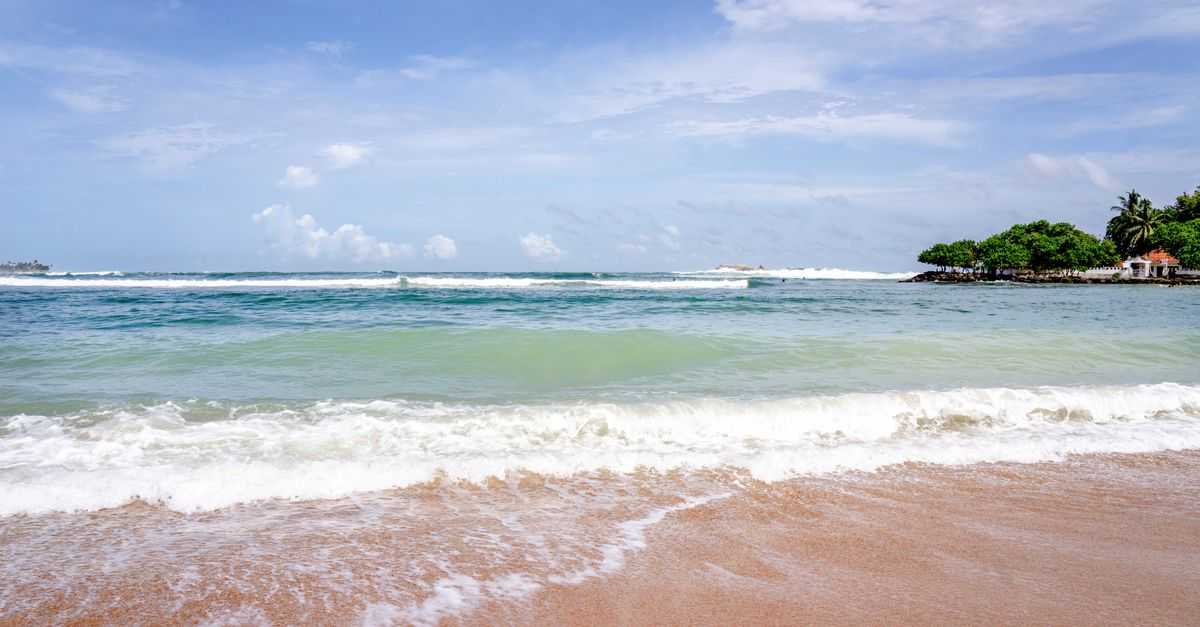
Sri Lanka launched its digital nomad visa in February 2026 with a low $2,000/month requirement. Here's how to apply and what it costs.

Learn proven frameworks to set client boundaries with async communication while maintaining trust and preventing remote work burnout.
Greece, UAE, Spain and Indonesia made digital nomad visas harder to get in 2026. Here's what changed and why Sri Lanka's new visa matters.

Sri Lanka launches new visa, Philippines delays implementation, and stricter enforcement in Bali, Spain, Greece affects nomad planning in 2026.

Sri Lanka's new digital nomad visa offers 1-year stays for just $2,000 monthly income, but there's a catch: you need a Ministry recommendation letter.
Get the best nomad resources, tips, and exclusive deals delivered straight to your inbox. No spam, just valuable content for your nomad journey.
Join fellow nomads. Unsubscribe anytime.