







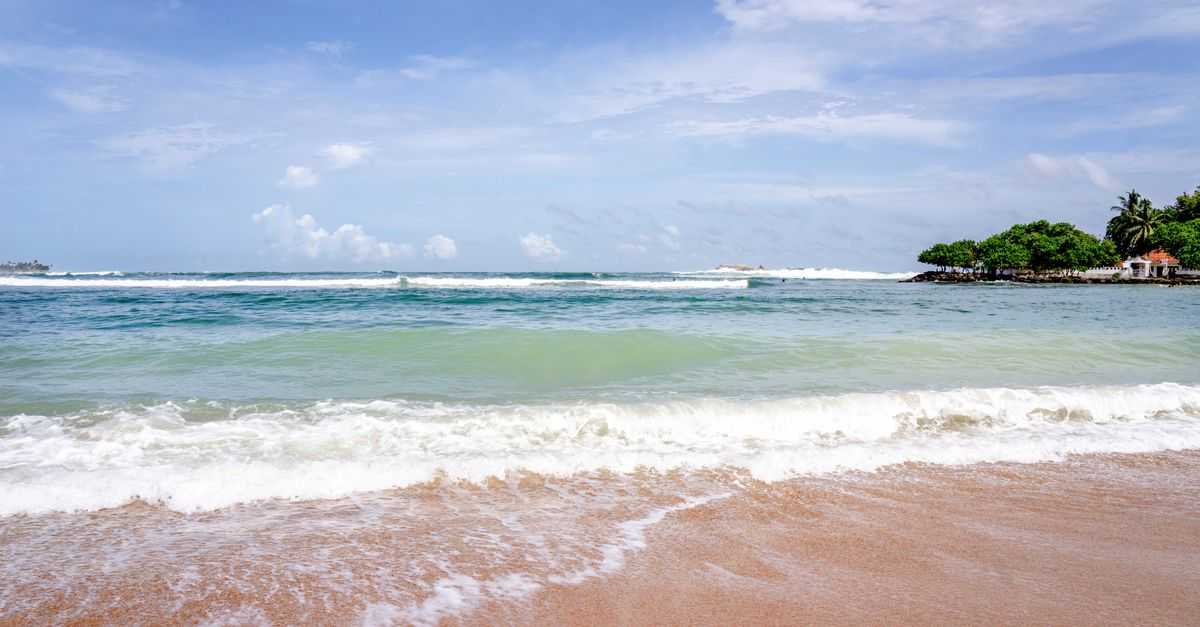
Sri Lanka's New Digital Nomad Visa: Everything You Need to Know
Sri Lanka launched its digital nomad visa in February 2026 with a low $2,000/month requirement. Here's how to apply and what it costs.

Major digital nomad visa updates for 2026 in Japan, Taiwan, Thailand and Europe. Income requirements, new rules, and practical application tips for remote workers.
Digital nomad visas got major updates for 2026, with new programs launching and existing ones tightening their rules. Whether you're earning $20k or $66k annually, there's likely a visa that fits your situation – but the requirements are getting more specific.
Japan launched its digital nomad visa for high earners from select countries including the US, Australia, and Singapore. The catch? You need to prove serious income.
Income requirement: ¥10 million (~$66,400) annually from overseas sources only
Who qualifies: Self-employed remote workers with private health insurance covering at least ¥10 million
What's unclear: Application details are still being finalized, but expect thorough documentation of your overseas revenue streams.
This visa targets premium nomads who can afford Japan's high cost of living. Think Tokyo coworking spaces at $300+ monthly and studio apartments starting at $800 in central areas.
Taiwan took the opposite route, making their visa accessible for younger professionals and freelancers.
Age-based income tiers:
Additional requirements: $10,000 average monthly bank deposits over six months, plus international health insurance. Alternatively, you can show proof of another country's nomad visa.
Focus on portfolios: Taiwan emphasizes resume and portfolio quality over just income, making it ideal for creative freelancers and consultants building their careers.
This makes Taiwan competitive with European options while offering lower living costs and excellent safety ratings.
Thailand updated their visa requirements for 2025-2026, adding more financial scrutiny while keeping income requirements flexible.
New bank balance rule: 500,000 baht (~$14,200) maintained for three months before application
Proof requirements: Portfolio or remote work documentation (minimum age 20)
Digital process: Starting May 2025, all visitors must complete a Digital Arrival Card through the official e-Visa portal
These changes reflect Thailand's effort to attract serious digital nomads while managing tourism recovery. The financial proof is stricter, but the actual income requirements remain achievable for most remote workers.
European countries continue expanding their digital nomad programs, with over 50 global visas now available.
Key European destinations: Spain, Portugal, Malta, Greece, Italy, and Germany all offer programs
Typical requirements: €3,000–€4,000 monthly income, health insurance, clean criminal record, and proof of accommodation
Common rejection reasons: Incomplete remote work documentation or hints at seeking local employment. Make sure your application clearly shows you work for overseas clients or employers.
Residency potential: Many European visas offer paths to extend stays or transition to longer-term residency.
Croatia details: ~€2,300 monthly income required (higher for families), non-EU citizenship needed, plus Croatian rental agreement proof
Uruguay fees: $500 for solo applicants, $750 for families, targeting self-employed individuals with clean police records
Tax implications: Be aware that countries like New Zealand consider you a tax resident after 183 days, which affects your overall nomad strategy
Before applying to any program, prepare these essentials:
The 2026 visa landscape offers more choices but demands better preparation. Japan's high-income visa targets premium nomads, while Taiwan welcomes younger professionals with lower barriers. Thailand tightened financial requirements but remains accessible, and Europe continues expanding options with clear paths to residency.
What to do next: Choose visas based on your income level and career stage. If you're earning under $40k, focus on Taiwan or select European countries. High earners should consider Japan's premium experience. Always verify current requirements on official government websites before applying, as details change frequently.
Sri Lanka launched its digital nomad visa in February 2026 with a low $2,000/month requirement. Here's how to apply and what it costs.
Greece, UAE, Spain and Indonesia made digital nomad visas harder to get in 2026. Here's what changed and why Sri Lanka's new visa matters.

Sri Lanka launches new visa, Philippines delays implementation, and stricter enforcement in Bali, Spain, Greece affects nomad planning in 2026.

Sri Lanka's new digital nomad visa offers 1-year stays for just $2,000 monthly income, but there's a catch: you need a Ministry recommendation letter.

Italy's digital nomad visa is now accepting applications, but the €28,000+ income requirement and paperwork make it challenging for beginners.

UAE doubles bank statement requirements, Spain adds employer compliance hurdles, and Greece offers tax breaks with strings attached. What nomads need to know.
Get the best nomad resources, tips, and exclusive deals delivered straight to your inbox. No spam, just valuable content for your nomad journey.
Join fellow nomads. Unsubscribe anytime.