







Spain's Digital Nomad Visa Just Got Harder: New 2026 Rules Explained
Spain's digital nomad visa now requires €2,849/month income for single applicants in 2026, plus new self-employment registration rules and stricter documentation.

Thailand's DTV needs $13,600 savings, Japan targets high earners, Malaysia eases entry, and Bermuda removes income minimums. Here's what changed in 2025.
The digital nomad visa landscape shifted dramatically in 2025, with major updates across four key destinations. From Thailand's game-changing low-barrier visa to Japan's first nomad program, these changes directly impact where and how you can work remotely abroad.
Thailand launched its Destination Thailand Visa (DTV) in July 2024, and it's becoming the go-to option for nomads on a budget. The visa requires just 500,000 Thai Baht (roughly $13,600-$15,000) in savings, no ongoing income requirements.
Key requirements: You need to be at least 20 years old, show 6 months of bank statements proving the savings amount, and provide proof of remote work for foreign employers or clients.
What makes it special: This 5-year multiple-entry visa allows 180-day stays per entry, extendable once yearly for another 180 days. That's potentially 360 days per year in Thailand for five years.
2025 updates: The application process went fully electronic through thaievisa.go.th in January 2025. Starting May 1, 2025, you'll need to complete the Thailand Digital Arrival Card (TDAC) online instead of the old paper TM6 form.
Application tip: You must apply from outside Thailand, and embassy requirements vary by location. Processing takes 1-2 months, with fees ranging from $275-$1,150 depending on your nationality.
Japan introduced its first digital nomad visa targeting remote workers earning $66,400 annually. This visa is available to citizens from 49 countries, including the US and Australia.
The catch: You must be self-employed and earning revenue from overseas clients. Regular remote employees won't qualify.
Requirements include: Proof of the high income threshold, private health insurance, and documentation showing you work for non-Japanese companies.
Why it matters: Japan was previously nearly impossible for long-term remote work. This visa opens up one of Asia's most efficient (though expensive) destinations to qualifying nomads.
Current status: While announced, specific application processes and additional requirements are still being finalized.
Malaysia updated its digital nomad visa with more flexible income requirements based on age. If you're over 30, you need $40,000 annual salary. Under 30? Just $20,000.
Additional requirements: You need a $10,000 monthly average in your bank account, health insurance, and either a previous digital nomad visa from another country or proof of the salary requirements.
Application process: Malaysia introduced print-and-sign applications, making the process simpler than many competitors.
Why choose Malaysia: It offers some of Southeast Asia's most affordable living costs and a growing coliving scene, especially in Kuala Lumpur and Penang.
Bermuda's work permit stands out for having zero minimum income requirements. You just need proof of remote work for non-local companies and travel insurance.
Application details: You can apply up to 9 months in advance for just $263. Processing is typically quick, often within days.
Perfect for: Nomads who prioritize low financial barriers and want access to a safe, English-speaking destination with excellent internet infrastructure.
Trade-off: Bermuda is expensive to live in, so while entry is cheap, daily costs are high.
Over 50 countries now offer digital nomad visas in 2025, with income requirements ranging from $750 to $5,000 per month. Most visas last 1-3 years and require similar documentation: remote work proof, housing arrangements, and health insurance.
Stricter compliance: 2025 programs emphasize tax compliance more than earlier versions. For example, New Zealand's nomad visa can trigger tax residency after 183 days.
Income comparison examples:
Tax planning note: With more countries offering longer-term visas, nomads need to track time spent in each location to avoid unexpected tax obligations.
The 2025 nomad visa updates create clear tiers: Thailand and Bermuda lower entry barriers, while Japan and Malaysia add premium options for higher earners.
If you're starting out: Thailand's DTV offers the best value with its low savings requirement and 5-year validity.
For established nomads: Japan's high-income visa opens a previously inaccessible market, while Malaysia's age-based requirements offer flexibility.
Action steps: Check official embassy websites for your nationality, as requirements vary by location. Start gathering bank statements and work documentation early, processing times are extending as programs become more popular.
Tax reminder: With longer visa durations, consider consulting a tax professional familiar with nomad situations to avoid residency surprises.
Spain's digital nomad visa now requires €2,849/month income for single applicants in 2026, plus new self-employment registration rules and stricter documentation.
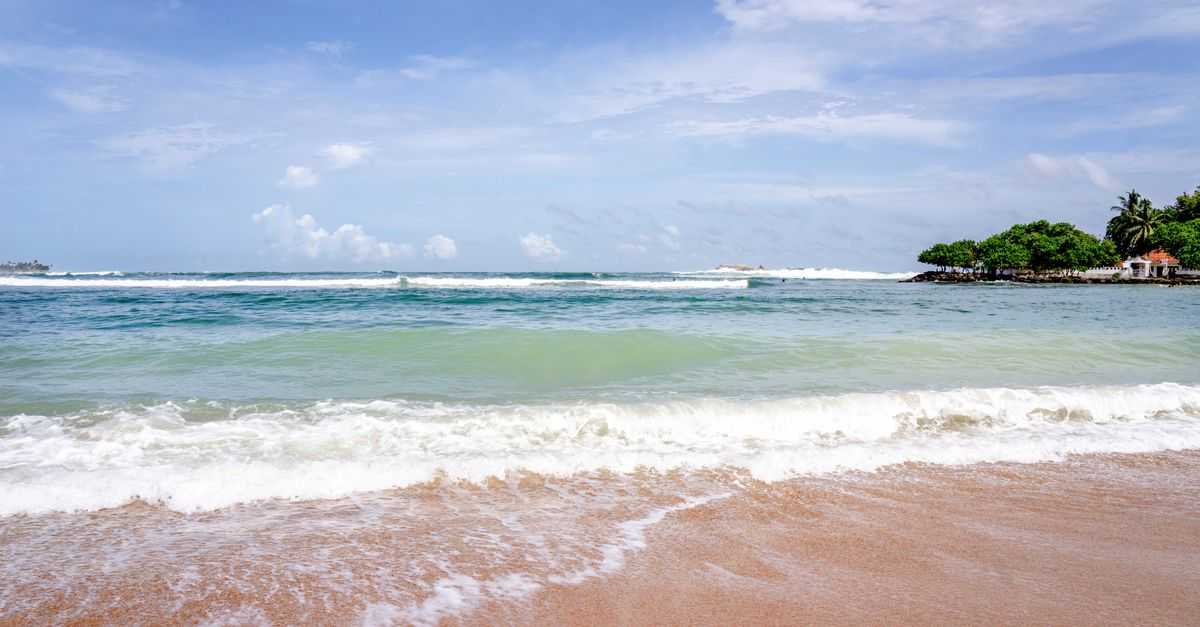
Sri Lanka launched its digital nomad visa in February 2026 with a low $2,000/month requirement. Here's how to apply and what it costs.
Greece, UAE, Spain and Indonesia made digital nomad visas harder to get in 2026. Here's what changed and why Sri Lanka's new visa matters.

Sri Lanka launches new visa, Philippines delays implementation, and stricter enforcement in Bali, Spain, Greece affects nomad planning in 2026.

Sri Lanka's new digital nomad visa offers 1-year stays for just $2,000 monthly income, but there's a catch: you need a Ministry recommendation letter.

Italy's digital nomad visa is now accepting applications, but the €28,000+ income requirement and paperwork make it challenging for beginners.
Get the best nomad resources, tips, and exclusive deals delivered straight to your inbox. No spam, just valuable content for your nomad journey.
Join fellow nomads. Unsubscribe anytime.