








The Async Communication Framework: How to Stop Being 'Always Available' Without Losing Clients
Learn proven frameworks to set client boundaries with async communication while maintaining trust and preventing remote work burnout.
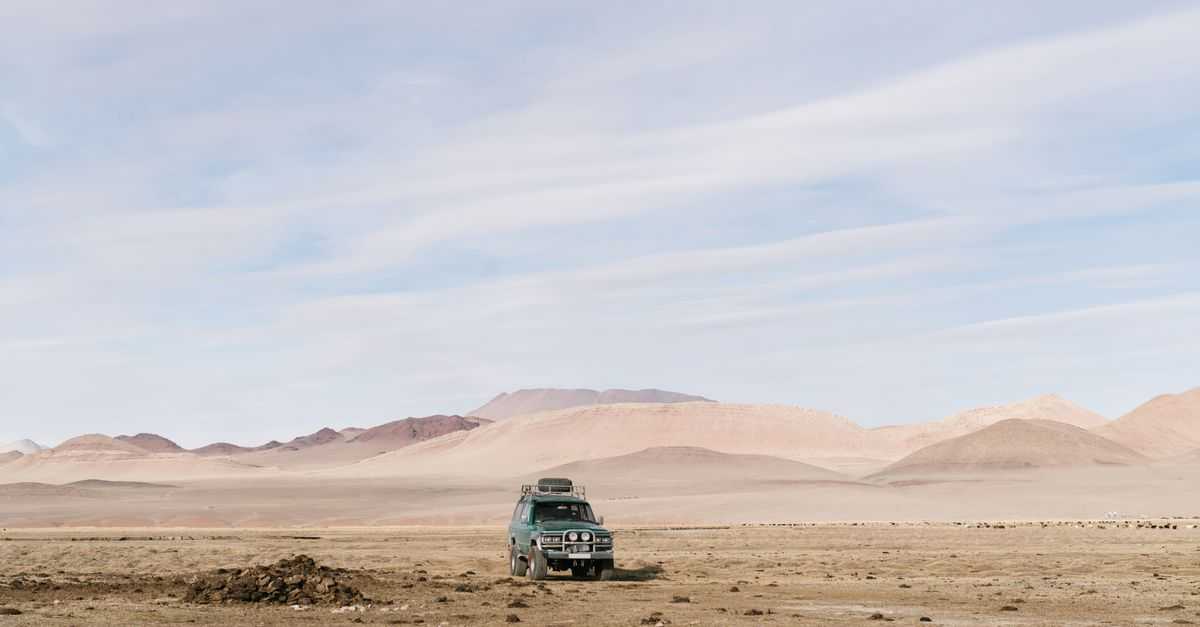
Master nomad logistics with strategic belongings rotation, smart shipping decisions, and storage alternatives. Skip the fees, travel light.
Managing your belongings as a digital nomad doesn't have to drain your bank account or weigh you down. The key is creating a systematic approach that keeps you mobile while maintaining access to what you need.
Most nomads fall into two traps: either accumulating too much stuff or paying excessive storage and shipping fees. With the right strategy, you can avoid both while staying organized and prepared for any destination.
Think of your possessions in three categories: essentials, seasonals, and anchors.
Essentials travel with you everywhere. This includes your work setup, basic clothing for any climate, and items you use daily. Keep this to what fits in a carry-on plus one checked bag.
Seasonals rotate based on your location and time of year. Heavy winter coats, specialized gear for activities, or region-specific items fall here. You'll ship these to yourself or store them strategically.
Anchors stay in one trusted location long-term. These are items with high emotional value but low travel utility - family photos, important documents, or that guitar you can't part with.
This framework helps you make quick decisions about what deserves precious luggage space versus what can wait for you elsewhere.
Traditional storage units cost $50-200+ monthly and tie you to one location. Better alternatives exist for nomads.
Friend and family storage remains the cheapest option. Offer to pay $20-30 monthly to store one box in someone's closet. This covers their inconvenience while costing far less than commercial storage.
Coworking space lockers in hub cities often rent monthly for $30-50. You get secure access when passing through, plus networking opportunities. Many spaces in Lisbon, Mexico City, and Bangkok offer this.
Hostel luggage storage works for shorter periods. Most charge $2-5 daily, making it cost-effective for 1-2 week trips when you return to the same city.
Hotel concierge services in luxury hotels sometimes store luggage for guests who book return stays. Call ahead and negotiate - they want repeat business.
Avoid airport lockers for anything longer than 48 hours. The daily fees add up quickly and many have size restrictions.
Shipping belongings internationally seems expensive until you compare it to excess baggage fees and storage costs.
Surface shipping takes 2-8 weeks but costs 60-80% less than air freight. Plan ahead and ship seasonal items before you need them. A 20kg box from Europe to Asia runs $80-120 via surface versus $300+ air freight.
Regional consolidation services bundle multiple nomads' shipments for better rates. Companies like Send My Bag and Luggage Forward specialize in this, offering door-to-door service for $150-300 per 20kg box internationally.
Excess baggage math often favors shipping instead. Airlines charge $150-300 for a second checked bag on international flights. If your extra luggage weighs over 15kg, shipping usually costs less and eliminates airport hassles.
Document shipping requires special handling. Use FedEx or DHL for important papers, never regular postal services. Budget $50-80 for express international document delivery.
Time your shipments around your travel dates, adding buffer time for customs delays. Ship 4-6 weeks before you need items when using surface options.
A reliable address system keeps you connected without being tied down.
Virtual mailbox services like Anytime Mailbox or PostScan Mail charge $15-30 monthly. They scan your mail, forward packages, and provide a real street address for banking and official documents.
Family member forwarding costs less but requires more coordination. Set up a system where they open, scan, and email important items while holding packages until you provide shipping instructions.
Coworking space addresses in some countries let members receive mail. This works well in nomad-friendly places like Estonia or Portugal where digital residency programs exist.
Embassy mail services help in emergencies when you need official documents while abroad. Most embassies hold mail for citizens for short periods, though this isn't a long-term solution.
Update your address systematically when establishing tax residency or banking relationships. Keep a spreadsheet of which services use which addresses to avoid confusion.
Create predetermined shipping routes between your most-visited destinations to rotate seasonal gear efficiently.
Climate-based rotations work best when you follow predictable patterns. Ship winter gear from Northern Europe to North America in September, then reverse the flow in March.
Activity-specific swaps make sense for nomads with hobbies. Surfboard to Indonesia in May, snowboard to Japan in November. Plan 6-8 weeks ahead and use specialized sports shipping companies.
Size-based decisions help prioritize what travels versus what ships. Heavy boots ship well but take up luggage space. Light electronics travel better than ship due to damage risk.
Regional staging involves keeping gear caches in different continents. A winter coat in Europe, tropical gear in Southeast Asia, and business attire in the US creates global flexibility without excess baggage.
Track your rotation schedule in a simple calendar app. Note shipping dates, arrival expectations, and backup plans if deliveries face delays.
Let's examine the actual costs of different approaches for a nomad spending 4 months each in Europe, Asia, and the Americas.
Traditional storage approach: $100 monthly storage plus $600 in excess baggage fees annually totals $1,800 per year. This assumes you carry everything and pay overweight charges regularly.
Smart rotation strategy: $400 in strategic shipping, $240 for virtual mailbox, and $150 in temporary storage equals $790 annually - a $1,000+ savings.
Minimal possession approach: Buying and donating clothes regionally costs roughly $600 yearly but eliminates shipping entirely. This works for nomads who prefer experiences over possessions.
Hybrid model: Keeping essentials mobile while shipping seasonals strategically typically costs $500-700 annually while maintaining more comfort and consistency.
The break-even point for storage versus shipping occurs around the 6-month mark for most items. Shorter periods favor carrying or buying locally; longer periods favor shipping or regional storage.
When facing a belongings decision, ask these questions in order:
Can I buy this locally for less than shipping costs? Basic clothing, toiletries, and common electronics often cost less to replace than ship, especially in low-cost destinations.
Will I use this in the next 3 months? If not, it shouldn't travel with you. Ship it ahead or store it regionally.
Does this item serve multiple purposes? Prioritize versatile items like a laptop that works and entertains, or clothes that work for business and casual settings.
What's the emotional cost of losing this? Some items deserve special shipping consideration due to personal value, not practical utility.
Can someone else benefit from this locally? Donation or gifting can be more cost-effective than storage or shipping, especially for items you rarely use.
Apply this framework consistently, and you'll avoid both clutter and excessive fees while maintaining the items that truly enhance your nomadic lifestyle.
Successful nomad logistics comes down to intentional categorization, strategic timing, and honest cost analysis. The three-tier belongings framework keeps you organized, while smart shipping and storage alternatives save thousands annually compared to traditional approaches.
Start by auditing your current possessions using the essential-seasonal-anchor system. Then research shipping and storage options in your most-visited regions. Finally, establish a rotation calendar that anticipates your travel patterns 3-6 months ahead.
The goal isn't to own nothing - it's to own the right things in the right places at the right times. With these systems in place, you'll travel lighter, spend less, and stress less about your stuff.
Learn proven frameworks to set client boundaries with async communication while maintaining trust and preventing remote work burnout.

Essential contract clauses every digital nomad needs to protect themselves legally when working across multiple jurisdictions without expensive lawyers.

Sri Lanka launches new visa, Philippines delays implementation, and stricter enforcement in Bali, Spain, Greece affects nomad planning in 2026.

Build a bulletproof internet backup system with mobile hotspots, failover protocols, and emergency procedures to keep working when primary WiFi fails.

Master the art of setting up a productive workspace within 24 hours of arrival. Complete guide for nomads to optimize any location for remote work.

Brazil's new digital nomad visa needs just $1,500 monthly income for one-year stays with extensions. Compare Albania's option and US tax benefits.
Get the best nomad resources, tips, and exclusive deals delivered straight to your inbox. No spam, just valuable content for your nomad journey.
Join fellow nomads. Unsubscribe anytime.