







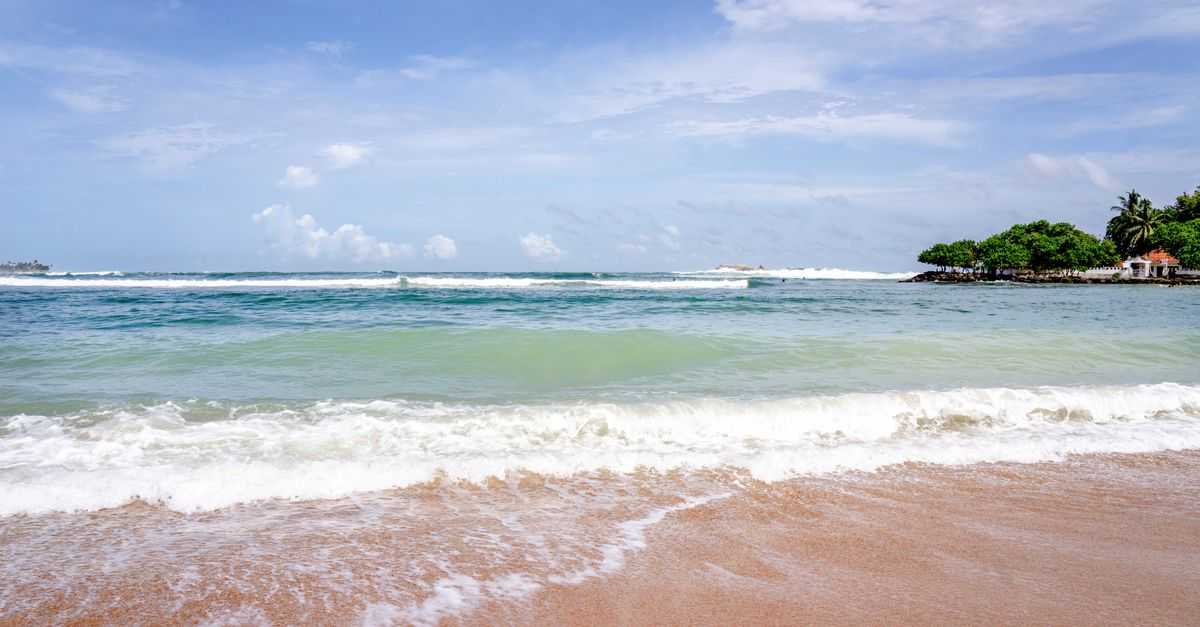
Sri Lanka's New Digital Nomad Visa: Everything You Need to Know
Sri Lanka launched its digital nomad visa in February 2026 with a low $2,000/month requirement. Here's how to apply and what it costs.

Compare income requirements, processing times, and benefits for digital nomad visas across 7 European countries in 2026. Find the best fit for your budget.
Europe's digital nomad visa landscape has exploded with options, but the income requirements vary dramatically between countries. Whether you're earning $30,000 or $70,000 annually, there's likely a European destination that fits your budget, but knowing which one requires careful research.
The monthly income thresholds for European digital nomad visas range from around €2,333 to €5,727, creating clear budget tiers:
Budget-Friendly Options (€28,000–€33,600 annually):
Mid-Range Options (€41,000–€42,000 annually):
Premium Tier (€68,000+ annually):
Germany offers a digital nomad program but specific income requirements aren't clearly defined, typically requiring general proof of remote income around €2,700+ monthly.
Regardless of which European country you choose, you'll need:
Some countries allow family inclusion (like Spain for spouses and children) with additional income proof.
Application fees vary significantly:
Processing times typically take several weeks to months, so apply well in advance. Most applications are processed through embassies, consulates, or online portals depending on the country.
Here's the big advantage: digital nomad visas from Spain, Portugal, Malta, Greece, Italy, Germany, and Bulgaria all grant Schengen Area travel privileges. This means you can travel freely within 27 European countries for up to 90 days in any 180-day period.
You'll gain residency rights in your chosen country, with potential renewals ranging from 1–5 years depending on the program. However, you must register locally and comply with tax obligations (Spain, for example, applies 15–24% tax rates for lower earners).
Important note: The new ETIAS system launching in Q4 2026 adds travel authorization requirements for short visits, but this is separate from work/residency visas.
Choose Italy or Bulgaria if: You're on a tighter budget (under €35,000 annually) and want affordable European living
Choose Portugal if: You want a balance of reasonable requirements (€32,000+ annually) with excellent quality of life and established nomad infrastructure
Choose Spain or Greece if: You can meet mid-tier requirements (€40,000+ annually) and want larger countries with diverse cities and climates
Choose Malta if: You have higher income (€68,000+ annually) and prefer an English-speaking island environment
European digital nomad visas offer incredible opportunities, but success depends on matching your income level with the right country's requirements. Bulgaria and Italy provide the most accessible entry points for budget-conscious nomads, while Portugal offers the sweet spot of reasonable requirements and nomad-friendly infrastructure.
Start by calculating your provable monthly income, then research the specific application process for your target country. Remember: these requirements can change, so always verify current details on official government websites before applying.
Sri Lanka launched its digital nomad visa in February 2026 with a low $2,000/month requirement. Here's how to apply and what it costs.
Greece, UAE, Spain and Indonesia made digital nomad visas harder to get in 2026. Here's what changed and why Sri Lanka's new visa matters.

Sri Lanka launches new visa, Philippines delays implementation, and stricter enforcement in Bali, Spain, Greece affects nomad planning in 2026.

Sri Lanka's new digital nomad visa offers 1-year stays for just $2,000 monthly income, but there's a catch: you need a Ministry recommendation letter.

Italy's digital nomad visa is now accepting applications, but the €28,000+ income requirement and paperwork make it challenging for beginners.

UAE doubles bank statement requirements, Spain adds employer compliance hurdles, and Greece offers tax breaks with strings attached. What nomads need to know.
Get the best nomad resources, tips, and exclusive deals delivered straight to your inbox. No spam, just valuable content for your nomad journey.
Join fellow nomads. Unsubscribe anytime.