







Spain's Digital Nomad Visa Just Got Harder: New 2026 Rules Explained
Spain's digital nomad visa now requires €2,849/month income for single applicants in 2026, plus new self-employment registration rules and stricter documentation.
Government crackdowns are making nomad visas harder to get. Here's what's changing and where new opportunities exist.
The days of treating digital nomad visas as a formality are over. Governments worldwide are tightening requirements, raising income thresholds, and cracking down on violations. But while some doors close, others open with new programs in unexpected places.
Spain just made its nomad visa significantly more expensive. The income requirement jumped to €2,849 per month for a single applicant in 2026, up from around €2,763 in 2025.
What's driving this: Spain ties its nomad visa income to the national minimum wage. As the minimum wage rises, so does the visa threshold. The requirement is fixed at 200% of Spain's minimum wage.
Family impact: If you have a spouse, you now need €3,765 per month total. Each additional child adds another €305-357 monthly.
New compliance burden: Beyond higher income, Spain now requires you to register as self-employed (autónomo) immediately after arrival. You must also prove you were already self-employed in your home country for at least 3 months before applying.
Greece eliminated the option to apply for its digital nomad permit after entering the country. You must now secure a Type D national visa at a Greek consulate before traveling.
Why this matters: You can't "test" Greece on a tourist visa anymore. The decision to move there requires upfront commitment and paperwork.
Income requirement: Greece typically requires around €3,500 monthly from foreign sources, making it one of the higher-threshold European programs.
Dubai's remote work visa now requires 6 months of bank statements instead of shorter periods, plus stronger health insurance coverage.
Who this affects: New freelancers and people with inconsistent income streams face higher barriers. The $3,500 monthly income requirement remains the same, but proving it got harder.
Indonesia sent immigration task forces to Bali and deported dozens of foreigners working on tourist visas instead of proper permits.
Key lesson: Working on the wrong visa is now actively policed, not just theoretically illegal. The "everyone does it" excuse no longer works.
While many countries tighten rules, some are opening doors.
Sri Lanka launched a new nomad visa in February 2026 with a relatively low $2,000 monthly income requirement. The catch? You need a recommendation letter from a government ministry, adding bureaucratic complexity.
Kazakhstan offers one of the most practical programs: $3,000 monthly income, 5-day processing time, and renewable up to 4 years total. This makes it competitive with European programs at a lower cost.
Governments aren't just changing visa rules, they're building enforcement frameworks with real teeth.
Overstay penalties now include:
Tax residency enforcement: Countries are tightening criteria that make someone a tax resident, increasing exposure to double taxation. Nomads need documentation of their primary tax home and understanding of bilateral tax treaties.
Several countries now require comprehensive insurance covering:
This affects both cost of living and choice of insurance providers. Basic travel insurance often doesn't meet the new standards.
The nomad visa landscape is splitting into two camps: high-barrier countries prioritizing control (Spain, Greece, UAE) versus accessible programs focusing on speed and lower thresholds (Sri Lanka, Kazakhstan, some Latin American destinations).
If you're planning a European nomad route: Expect to show €2,800-€3,700 monthly income and deal with more paperwork, advance planning, and compliance requirements.
If you're open to alternative destinations: Consider the new programs in Sri Lanka ($2,000/month) and Kazakhstan ($3,000/month), or established lower-threshold options in Latin America and the Caribbean ($750-$1,200/month).
Essential preparation steps:
The era of easy nomad visas is ending, but opportunities still exist if you know where to look. Success now requires higher income, better documentation, advance planning, and compliance awareness. While Europe gets more expensive and bureaucratic, new programs in Asia and ongoing options in Latin America offer alternatives for budget-conscious nomads. The key is matching your financial situation and patience for paperwork with the right program, rather than assuming all nomad visas work the same way they did in 2022-2023.
Spain's digital nomad visa now requires €2,849/month income for single applicants in 2026, plus new self-employment registration rules and stricter documentation.
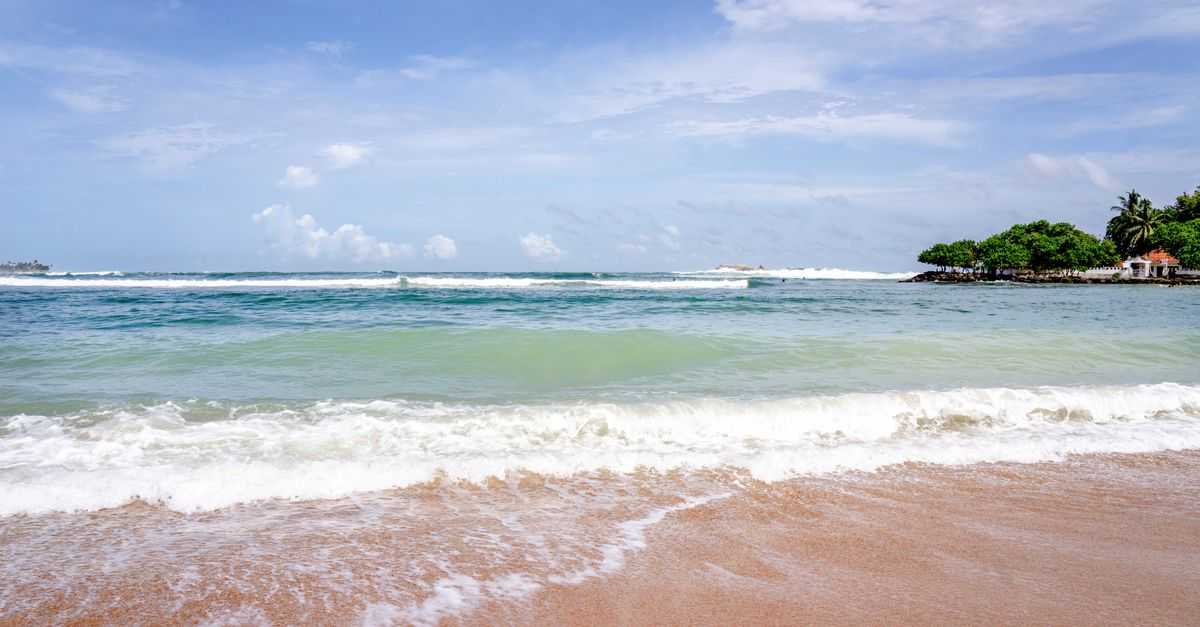
Sri Lanka launched its digital nomad visa in February 2026 with a low $2,000/month requirement. Here's how to apply and what it costs.
Greece, UAE, Spain and Indonesia made digital nomad visas harder to get in 2026. Here's what changed and why Sri Lanka's new visa matters.

Sri Lanka launches new visa, Philippines delays implementation, and stricter enforcement in Bali, Spain, Greece affects nomad planning in 2026.

Sri Lanka's new digital nomad visa offers 1-year stays for just $2,000 monthly income, but there's a catch: you need a Ministry recommendation letter.

Italy's digital nomad visa is now accepting applications, but the €28,000+ income requirement and paperwork make it challenging for beginners.
Get the best nomad resources, tips, and exclusive deals delivered straight to your inbox. No spam, just valuable content for your nomad journey.
Join fellow nomads. Unsubscribe anytime.